Views: 0 Author: Site Editor Publish Time: 2026-09-30 Origin: Site


Scroll through any homebuilding community online, and you will quickly spot a recurring theme. Frustrated buyers constantly vent about insane lead times and unexpected delays for custom millwork. The current reality of the construction industry demands a completely new approach to procurement. Misaligning your construction schedule with cabinet delivery creates massive, costly bottlenecks on site. Furthermore, misunderstanding Minimum Order Quantity (MOQ) often leads to mismatched finishes across rooms or sudden budget overruns. You can no longer treat this process as a simple retail purchase.
Successfully sourcing custom whole house cabinetry requires managing it as a synchronized supply chain project. In this guide, you will learn how to navigate complex manufacturing queues and optimize your order volumes. We will show you exactly how to evaluate suppliers and phase your orders perfectly to keep your build progressing seamlessly.
True custom lead times typically span 12–16+ weeks; predictability is a better metric of supplier quality than unrealistic speed.
MOQ requirements for whole-house projects ensure finish consistency (batch matching) across multiple rooms and built-ins.
Complex material choices and detailed custom whole house cabinetry specifications directly dictate the production critical path.
Evaluating a supplier based on their transparent contingency planning reduces the risk of late-stage project stalls.
Many homeowners fall for the myth of a quick custom turnaround. Sales representatives sometimes promise aggressive deadlines to secure a contract. However, high-quality fabrication requires a highly systematic timeline. You cannot rush the curing of specialized finishes or the precision milling of hardwoods. Establishing a realistic schedule prevents compounding delays during the final stages of construction.
Industry standards break the custom millwork process into three distinct phases. Understanding these stages helps you align your expectations with factory realities.
Phase 1: Consultation & Design (2–4 Weeks). This phase involves deep collaboration. Designers measure the site, map out elevations, and revise shop drawings. You must finalize hardware placements and appliance clearances here. Production cannot begin until you sign off on these technical blueprints.
Phase 2: Production & Finishing (8–12+ Weeks). Factories source the raw materials upon receiving your approval. Technicians mill the lumber, assemble the boxes, and apply finishes. Custom stains require specific curing times between coats. Rushing this step compromises the durability of your millwork.
Phase 3: Logistics & Delivery (1–4 Weeks). Finished pieces require careful staging and packing. Domestic freight usually takes several days. International shipments can take weeks. Your team must also prepare a climate-controlled area on site for staging.
You must build a strategic buffer into your general contractor's schedule. We recommend adding two to three weeks beyond the quoted delivery date. Supply chain friction happens constantly. Lumber shortages, freight delays, or adverse weather can easily push timelines back. A well-planned buffer absorbs these standard disruptions without stalling your painters or flooring installers.
The materials you select fundamentally alter factory production queues. Standard painted MDF routes through finishing departments much faster than hand-wiped hardwood stains. Solid wood requires careful moisture acclimation before milling. Different species of wood absorb stains at varying rates. Suppliers must account for these chemical and physical properties when scheduling your build.
Specification complexity also plays a massive role in delivery timelines. Highly tailored custom whole house cabinetry specifications demand specialized engineering. Features like integrated appliance panels require exact templating. Custom distressing techniques mandate extensive manual labor. Non-standard hardware routing forces engineers to reprogram CNC machinery. Every unique modification adds necessary days or weeks to the build.
Bespoke components rely heavily on third-party raw material availability. Your manufacturer rarely stocks exotic veneers or specialty hinges in massive quantities. They order these materials specifically for your project. If a sub-supplier faces shortages, your entire cabinet order waits. Early material lock-in remains critical to keeping your project on track.
Table: Production Variables and Expected Lead Time Additions
Material or Specification Feature | Production Complexity Level | Estimated Additional Lead Time |
|---|---|---|
Standard Painted MDF | Low | Baseline (No additional weeks) |
Solid Hardwood with Custom Stain | High | +2 to +3 Weeks |
Integrated Appliance Panels | Medium | +1 to +2 Weeks |
Hand-Distressed Finishes | High | +3 to +4 Weeks |
Custom CNC Hardware Routing | Medium | +1 to +2 Weeks |
Buyers often view Minimum Order Quantity as an arbitrary sales barrier. In reality, MOQ acts as a strict quality control mechanism. Whole-house consistency requires meticulous batch matching. Factories must mill all your wood from the same lumber batch. They must apply stains under the exact same climate conditions. This uniform approach prevents a vanity from looking slightly darker than the kitchen island.
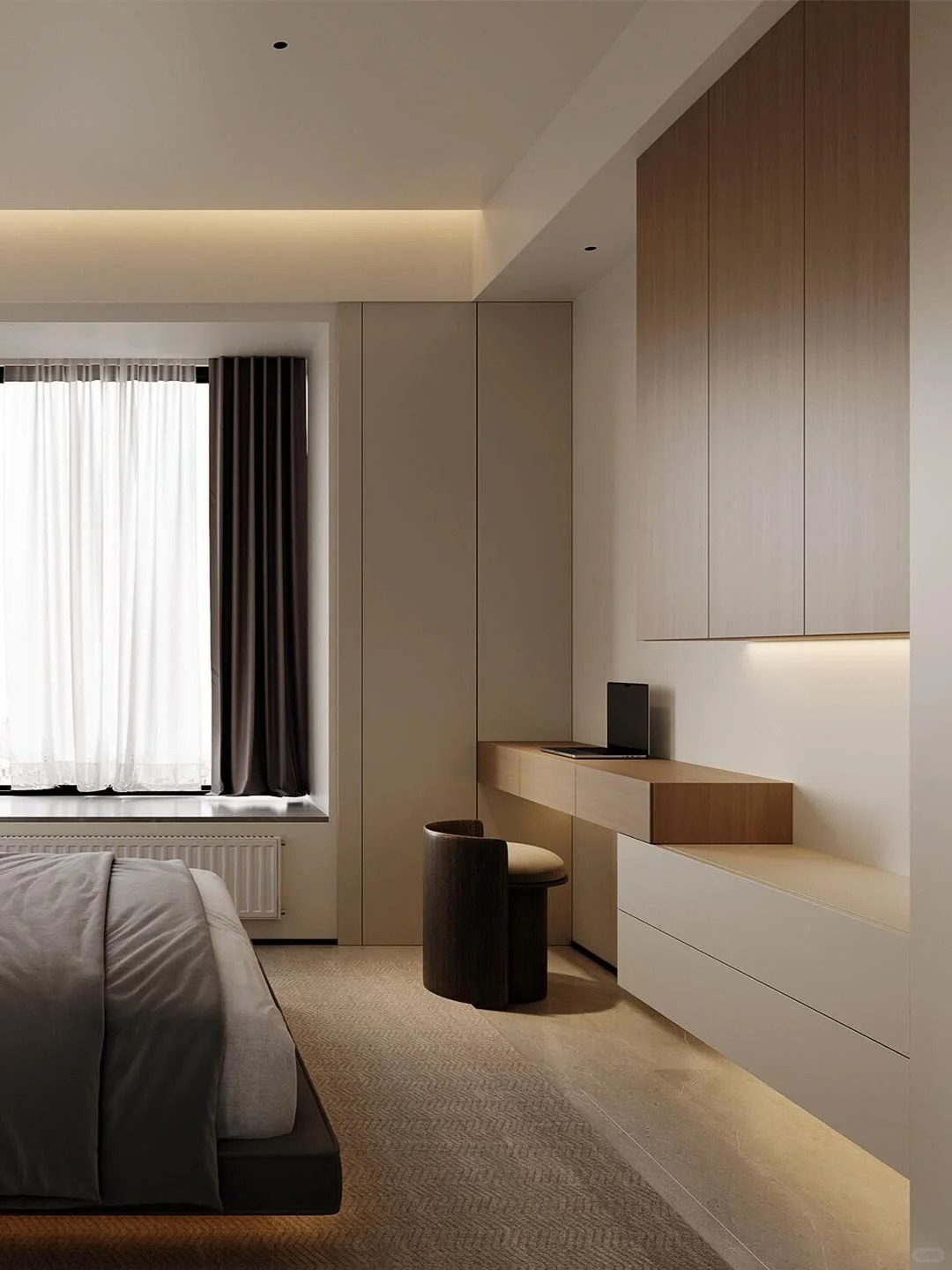
You can easily meet or exceed MOQs through strategic consolidation. Stop thinking about rooms in isolation. Bundle high-volume spaces like your primary kitchen cabinets with specialized lifestyle built-ins. Include mudroom lockers, laundry storage, and entertainment centers. You might even integrate a custom rustic light wood bedroom cabinetry desk into the master suite plan. Grouping these items guarantees a unified design language across your home.
Consolidating your order offers immense financial logic. Ordering room-by-room incurs piecemeal setup fees. Factories charge you every time they calibrate machines for a new run. Fragmented ordering also skyrockets your freight costs. You end up paying for five half-empty trucks instead of one fully optimized shipment. Whole-house batching streamlines production and drastically reduces shipping overhead.
Never hold back secondary spaces for a later date. Homeowners often delay ordering basement bars or bathroom vanities to split upfront costs. This approach guarantees mismatched wood grains later. Always order all millwork requiring matching finishes in one single factory run.
Choosing the right partner dictates the success of your schedule. You must prioritize verifiable processes over enthusiastic sales promises. Thoroughly screen your custom whole house cabinetry supplier during the decision stage. Look for evidence of operational maturity.
Capacity and transparency serve as your first major evaluation criteria. Elite suppliers do not leave you guessing about your order status. They provide step-by-step production tracking portals. If they lack software, they should guarantee regular, documented milestone updates. You should always know when your order moves from milling to finishing.
Pay close attention to how they communicate delays. Raw material shortages happen to every manufacturer. A trustworthy supplier flags these risks immediately. They offer alternative veneer choices or hardware solutions proactively. Unreliable suppliers hide delays until delivery day. Ask potential vendors outright about their contingency plans for material stock-outs.
Finally, evaluate their engineering support. Great manufacturers act as a second set of eyes on your build. They review architectural plans aggressively. They look for structural clashes, HVAC conflicts, or plumbing interferences before manufacturing begins. If a vendor simply accepts your drawings without asking technical questions, consider that a major red flag.
Mapping your cabinetry order date to the overall construction timeline requires precision. Millwork sits directly on your project's critical path. Delivering too early creates storage nightmares. Delivering too late stalls the entire finishing crew. You must perfectly intersect the factory timeline with your site readiness.
The golden rule is to place the finalized order just as framing begins. Many homeowners make the costly mistake of waiting for drywall. If you wait for drywall to finish, you will face an immediate 12-week dead zone. Approving shop drawings during the framing stage allows the factory to work while plumbers and electricians rough in the house. By the time walls are painted, your millwork is ready to ship.
However, you must strictly define site readiness before accepting delivery. Installing cabinets in an unprepared space voids manufacturer warranties. The job site must be entirely climate-controlled. Architectural Woodwork Institute (AWI) standards dictate specific humidity levels for installing solid wood. If the HVAC system is not running, do not accept the cabinets.
Furthermore, all drywall finishing must be complete. Drywall dust ruins premium hardware tracks and contaminates finished surfaces. Flooring parameters must also be met. Check your elevations to ensure tile or hardwood layers align perfectly with cabinet toe kicks. Proper phasing protects your investment and ensures a flawless final installation.
Successfully managing MOQ and lead times comes down to proactive risk management. It requires treating your chosen manufacturer as a true construction partner. Unrealistic speed promises usually result in compromised quality or disastrous site delays. Always prioritize suppliers who offer data-backed, realistic timelines. Lock in your materials early, consolidate your multi-room designs, and order during the framing phase.
By mapping out the entire production journey, you eliminate the friction that ruins construction budgets. Protect your project by demanding transparency and adhering strictly to climate-control standards on site. Now is the time to align your architectural plans with a robust manufacturing schedule. Submit your floor plans to a trusted supplier for an initial volume assessment, and start building your precise project timeline today.
A: Typically no. True custom millwork requires dedicated curing times for finishes and precise milling schedules. Attempting to rush these chemical and mechanical processes degrades the final product. Expedited "rush" options usually mean downgrading to semi-custom or pre-fabricated stock lines rather than receiving authentic bespoke craftsmanship.
A: Usually not. Factories evaluate Minimum Order Quantities based on total cubic volume or overall line-item counts. As long as your total project meets the facility's baseline requirements for a dedicated production run, you can generally mix different door profiles or paint colors across different rooms without penalty.
A: Reputable suppliers usually offer standard warehousing policies for a grace period of one to two weeks. Beyond that, they will charge weekly storage fees. You must never stage finished millwork in an unconditioned house, as temperature and humidity swings will warp the wood and void your warranties.
A: Industry benchmarks suggest allocating between 10% and 15% of your total construction budget to whole-house cabinetry. This figure anchors the immense value of design consistency. Investing upfront in a consolidated, high-quality batch order saves you from paying inflated piecemeal premiums later.


