Views: 0 Author: Site Editor Publish Time: 2026-08-30 Origin: Site


A well-designed wardrobe is not just a visual focal point in your room. It serves as a high-traffic structural fixture. Daily use demands precise spatial planning. You also need guaranteed mechanical durability. Relying solely on exterior aesthetics often creates major problems down the road. You might face premature hardware failure, sagging shelves, and ultimately wasted space. Buyers frequently overlook internal mechanics during the initial selection phase. This oversight creates frustrating storage constraints later. We aim to fix this issue immediately. We provide a transparent, criteria-driven framework below. You can use it to evaluate structural integrity, hardware reliability, and vendor credibility. Read on before committing to your next furniture purchase. We will help you navigate materials, hardware, and pre-installation planning carefully. You will learn how to verify load capacities safely. You deserve a robust storage solution tailored perfectly to your lifestyle. Let us explore these fundamental principles together.
Material integrity dictates lifespan: Core substrates and finishes must align with the room's environmental conditions (e.g., moisture levels, load requirements).
Hardware is the true failure point: Hinges, tracks, and touchpoints require strict evaluation beyond surface-level design.
Supplier vetting is non-negotiable: A reliable manufacturer provides clear compliance data, warranty terms, and standardized specifications.
Pre-installation planning mitigates risk: Assessing floor leveling, access points, and internal configurations prevents costly rollout delays.
You must begin your evaluation by looking at the physical room. Accurate measurements prevent major installation headaches. Many buyers guess their spatial limitations. They end up returning oversized units. You need a systematic approach to measure your space accurately.
Assess Structural Constraints: Grab a reliable tape measure. Measure your floor-to-ceiling heights in multiple spots. Older houses frequently settle over time. Ceilings are rarely perfectly level. You must also account for baseboard depths. Thick baseboards push freestanding units away from the wall. This creates an unsightly gap. Next, calculate the clearance needed for doors. Hinged doors require a full swing radius. They need empty space in front. Sliding doors save floor space. However, they consume more internal depth for the track systems. Finally, check your walls for plumb. A non-plumb wall makes installation incredibly difficult. You may need filler panels to hide uneven gaps.
Determine Load Capacity Needs: Think about your specific wardrobe contents. Heavy-duty storage requires robust shelving. Winter coats, heavy denim, and dense folded items place immense stress on internal structures. Lightweight utility storage holds summer shirts and accessories. You must match your storage type to the shelving thickness. Heavy items will warp thin shelves quickly.
Categorize the Solution Scope: You have two primary paths. You can choose a custom built-in unit. You can also select a modular or freestanding system. A custom built-in maximizes every single inch of available space. It integrates seamlessly into your architecture. Freestanding systems offer scalability. They provide faster lead times. You can take them along if you move houses. Weigh the spatial return on investment for your specific scenario.
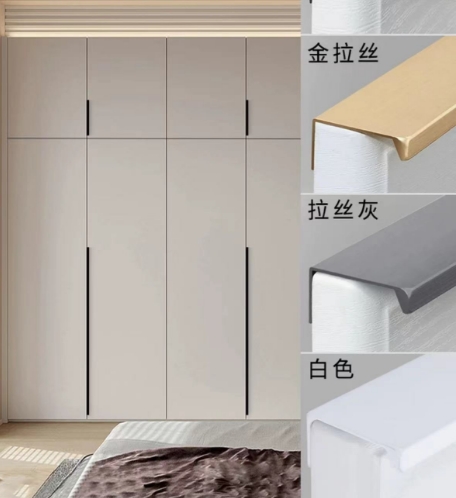
The internal skeleton determines the true lifespan of your unit. External beauty means nothing if the core substrate fails. You must evaluate the base materials rigorously.
Substrate Analysis (The Core):
MDF (Medium Density Fiberboard): Manufacturers love MDF. It offers a perfectly smooth surface for paint finishes. It carries a moderate weight capacity. It works well for standard clothing storage.
Plywood: Plywood delivers superior structural integrity. It consists of cross-laminated wood veneers. This gives it exceptional screw-holding capacity. It represents the best choice for heavy-duty applications.
Particleboard/Melamine: This remains highly cost-effective. However, it is highly susceptible to moisture. Joint failure happens frequently if manufacturers do not apply edge-banding properly. Avoid this material in humid climates.
Exterior Finishes: You must compare finish options carefully. Laminates offer excellent scratch resistance. They provide high durability for active households. Wood veneers deliver a premium aesthetic. They bring natural warmth to a room. However, veneers require ongoing maintenance to prevent drying. Lacquers offer a sleek, modern look but chip easily upon impact.
Substrate Comparison Summary
Material Type | Primary Advantage | Structural Strength | Ideal Application |
|---|---|---|---|
Plywood | Excellent screw retention | High | Heavy winter gear, wide shelving |
MDF | Smooth painting surface | Moderate | Standard daily apparel, painted units |
Particleboard | Cost efficiency | Low to Moderate | Lightweight utility, budget projects |
Reviewing the Data: Never guess the material thickness. Request formal wardrobe specifications from the manufacturer. You must verify these details directly. Standard shelves should measure a minimum of 18mm thick. Wide spans over 800mm require 25mm thickness. Thin shelves will inevitably sag over time.
Doors and drawers move constantly. This repetitive motion tests hardware limits daily. Cheap mechanisms break quickly. You must prioritize high-quality metal components.
Hinges and Drawer Runners: Always look for heavy-duty, concealed hinges. They should feature integrated soft-close mechanisms. Soft-close dampeners prevent slamming. They protect the wood from impact damage. Next, verify the weight-rating capacity of all drawer glides. Undermount runners carry heavy loads effectively. They hide beneath the drawer box. Side-mount runners expose the metal tracks. They generally hold less weight.
Sliding Track Systems: You must evaluate top-hung versus bottom-rolling systems. Top-hung systems offer much smoother operation. The doors glide effortlessly. However, they require robust header support to carry the hanging weight. Bottom tracks carry the weight on the floor. Unfortunately, bottom rollers accumulate dust and debris quickly. You will need to vacuum them regularly.
Touchpoints and Ergonomics: Scrutinize the handle of the wardrobe door very closely. It serves as your primary physical touchpoint. It must offer ample ergonomic clearance for your fingers. Look for resilient finish plating. Good plating resists skin oils and daily wear. It requires secure mounting points. Loose screws cause handles to wobble over time. Solid brass or stainless steel options perform best over decades of use.
A great product requires a great manufacturing partner. You are buying a relationship, not just wooden panels. Vendor evaluation prevents delivery nightmares and poor post-sale support.
Sourcing Transparency: A reputable wardrobe supplier will act transparently. They openly share their material sourcing details. They proudly highlight FSC-certified woods. They specify low-VOC adhesives. High levels of VOCs pollute your indoor air quality. Transparent suppliers gladly answer technical questions. They do not hide behind vague marketing terms.
Warranty and Replacement Parts: Evaluate the length of the warranty carefully. Check the specific coverage details. Does it cover the mechanical hardware or just the wooden panels? Crucially, check if the supplier uses proprietary hardware. You want them to use standardized sizes. Proprietary hardware makes future repairs nearly impossible. If they discontinue a custom hinge, your door becomes useless. Standardized parts ensure you can fix your unit ten years from now.
Lead Times and Delivery Capabilities: Assess their historical track record. Do they meet delivery windows consistently? Delays disrupt your entire home renovation timeline. Clarify their exact delivery methods. Do they provide flat-pack logistics? Do they offer white-glove assembly services? White-glove service saves you hours of physical labor. Flat-pack delivery requires significant DIY capabilities.
The final installation phase introduces unique risks. Careful planning prevents physical damage to your home. We see buyers make similar mistakes repeatedly.
The "Empty Room" Fallacy: Buyers often measure an empty room. They forget to account for existing room features. A massive cabinet might block electrical outlets. It might cover light switches. It could restrict crucial HVAC vents. Map your wall features before finalizing dimensions. You need access to your plugs.
Assembly Risks: Many underestimate the required clearance to assemble flat-pack units. You cannot build a tall cabinet on the floor in a tight room. A unit assembled on the floor needs a diagonal clearance margin. You must tip it upright without scraping the ceiling. If your ceiling is exactly 96 inches, and your cabinet is 95 inches, the diagonal dimension during tilting might hit 98 inches. You will trap the cabinet on the floor.
Internal Configuration Traps:
Over-indexing on hanging space. People overestimate their hanging clothes.
Neglecting adjustable shelving. Seasonal items require flexible heights.
Ignoring integrated lighting. Dark corners hide your clothes.
Failing to route dedicated power. LED systems need hidden wires planned in advance.
You must balance hanging rods with deep drawers. This split accommodates diverse seasonal wardrobes perfectly.
You now possess a comprehensive decision framework. Prioritize internal specifications and robust hardware over external design trends. A beautiful exterior cannot compensate for sagging shelves or broken hinges. True long-term value comes from verifiable material standards. You secure this value by choosing a transparent manufacturing partner. They will guide you toward structurally sound materials.
Audit your space measurements carefully today. Finalize your internal functional priorities. Map out your exact shelving and hanging needs. Contact your shortlisted vendors immediately. Request their formal spec sheets to compare load capacities. You are now ready to design a structurally flawless storage system.
A: The standard depth for hanging clothes is typically 24 inches (60 cm). This accommodates broad shoulder hangers without crushing garments. Sliding doors often require an additional 2 to 3 inches of depth for the track mechanism. Hinged doors utilize the standard depth more efficiently but require external swing clearance.
A: Plywood offers superior longevity. Its cross-laminated layers provide stronger screw retention and better overall moisture resistance. MDF provides a perfectly smooth finish for painting. However, MDF is heavier and more prone to sagging over wide spans under heavy loads.
A: Look for established brand-name mechanisms like Blum or Hettich. Verify their cycle-testing ratings. High-quality hinges often boast certifications for 50,000 to 100,000 open-close cycles. Inspect the mounting stability of the door handles. They should feel completely rigid without any wobble.
A: You should evaluate their minimum order quantities (MOQs) first. Review their specific B2B warranty terms carefully. Ask for industry compliance certifications regarding VOC emissions and material sourcing. Finally, verify their historical reliability regarding lead times to avoid project delays.


