Views: 0 Author: Site Editor Publish Time: 2025-11-22 Origin: Site


Are you ready to give your bathroom a fresh look? One of the most crucial elements of a successful bathroom renovation is choosing the right bathroom vanity. Unfortunately, many people rush the measurement process, leading to costly errors.
Inaccurate measurements can disrupt the entire installation and even affect the overall aesthetic and functionality of your bathroom. In this article, you’ll learn how to measure your bathroom vanity correctly, ensuring a perfect fit and avoiding expensive mistakes.
Taking the time to measure your bathroom vanity space correctly saves you from potentially expensive errors. Incorrect measurements can lead to the need for returns, rearranging plumbing, or even re-tiling areas to accommodate the new vanity. These errors not only increase costs but also extend the timeline of your renovation project.
For example, if you order a bathroom vanity that doesn't align with your existing plumbing, you might need to pay for re-routing pipes, which can add thousands of dollars to the cost. Similarly, a vanity that’s too large can block access to other bathroom fixtures like the toilet or shower, causing inconvenience and possibly requiring the removal of other elements to fit it properly. Furthermore, a vanity that does not fit in the space can also result in poor functionality, creating a cluttered and inefficient bathroom.
Proper measurements ensure that the bathroom vanity provides ample space for movement and daily use. If a vanity is too bulky, it can limit access to other bathroom features and make the space feel cramped. For instance, if the vanity is positioned too close to the shower or toilet, it could hinder comfortable use, making the bathroom feel less inviting.
Additionally, an accurately measured vanity can make your daily routine more efficient. Proper clearance around the vanity allows for smooth opening of drawers and doors, providing easy access to toiletries and other essentials. This is particularly important in smaller bathrooms where space is limited, as every inch counts when ensuring that the space remains practical and functional.
The bathroom vanity often serves as the focal point of the bathroom, so it’s essential to choose a size that complements the room’s proportions. A vanity that’s too large can overwhelm the space, while one that’s too small may look out of place and waste valuable storage. The right size vanity will create a balanced aesthetic and contribute to a more cohesive bathroom design.
A well-measured vanity also ensures that the design aligns with other elements in the room, such as mirrors, light fixtures, and countertops. Proper measurements will help you create a visually appealing and functional bathroom that fits your needs and style. It’s important to take into account the overall layout of the bathroom and how the vanity integrates with other features to create a harmonious design.
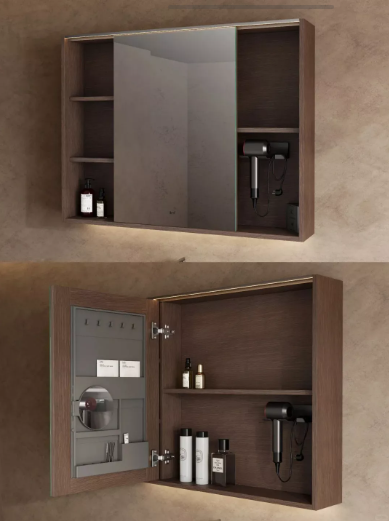
Before you begin measuring, having the right tools on hand can make a significant difference in the accuracy and efficiency of the process.
A reliable tape measure is crucial for measuring the bathroom vanity space accurately. You should choose a tape measure that's at least 16 feet long to handle larger bathroom spaces. Using a steel tape measure ensures more precision, especially over longer distances. A level is equally important to check that the walls and floors are even, as this can affect the vanity’s installation. Even small slopes can throw off the alignment, so it's essential to measure at multiple points and adjust accordingly.
A steel tape measure provides greater accuracy than fabric versions, especially when measuring large or extended spaces. By using a level, you can avoid issues with uneven surfaces that may affect the vanity’s position once it is installed, ensuring the final product is both aesthetically pleasing and functional.
As you take measurements, recording them is key to avoiding confusion. A pencil and notepad are essential for writing down dimensions and sketching out layout ideas. Alternatively, you can use digital tools, such as a tablet or smartphone with a sketch app, to create digital sketches and record measurements in real-time. This ensures that all dimensions are captured accurately and can be referenced later during the selection and installation process.
Taking photographs of the bathroom from multiple angles is also recommended. These photos will help you visualize how the new vanity will fit into the space and provide a useful reference when shopping for vanities or discussing options with sales professionals. Digital tools help streamline the process and keep your project organized.
In some cases, you may need to measure hard-to-see areas, such as behind plumbing or in dark corners. Using a flashlight or phone light can help you see clearly, ensuring you capture all the necessary measurements. Additionally, taking photos of your bathroom from multiple angles can help you visualize how the new bathroom vanity will fit and give you a reference when discussing options with professionals. Photos can serve as helpful visual references, especially when you're coordinating with contractors or designers.
Accurate measurement involves more than just taking a few quick dimensions. To ensure your new bathroom vanity fits seamlessly, follow these steps carefully:
Begin by measuring the width of the wall where your vanity will be installed. Measure from one wall to the other, taking into account any baseboards, trim, or corners that could reduce usable space. It's important to measure in multiple places, as walls are rarely perfectly straight. You should also measure the depth of the space from the back wall to the front edge to determine how far the vanity can extend into the room without blocking other features.
Ensure that you leave some clearance on either side of the vanity for easy cleaning and maintenance. A few extra inches of space can make a big difference when it comes to usability and the overall appearance of the bathroom.
Plumbing and electrical outlets play a significant role in determining the bathroom vanity size. Take note of the exact location of water supply lines, drain pipes, and electrical outlets. These measurements are crucial for selecting a vanity with the correct cutouts for plumbing or determining if modifications will be needed. Ensuring proper alignment will save time and prevent costly plumbing or electrical adjustments.
Plumbing configurations can vary, especially in older homes, so it’s essential to carefully document their location before finalizing your vanity choice. This will help you avoid costly mistakes during installation and ensure the vanity functions properly with existing utilities.
Ensure there’s enough space around your vanity for comfortable use. Measure the door swing path to confirm that it won’t obstruct the opening of the bathroom door or interfere with other fixtures. Also, account for the clearance required for drawers or cabinet doors to open fully. This is especially important in smaller bathrooms, where every inch of space counts when ensuring that the space remains practical and functional.
Remember to account for any fixtures like towel bars, mirrors, or light switches that could interfere with the placement of the vanity. Proper clearance ensures that all elements work together seamlessly and that your bathroom remains comfortable and easy to use.
For a full walkthrough on installation, see this guide on how to install your new bathroom vanity.
Once you've measured the available space, it's time to focus on specific dimensions for the new bathroom vanity.
The width of your vanity should align with the space between the walls. Ensure that there's enough clearance on each side to avoid crowding the bathroom. The depth measurement will determine how far the vanity can extend into the room. Remember that a deeper vanity provides more counter space and storage but can reduce walking space in smaller bathrooms. Consider the overall balance between the vanity’s size and the available space in the room.
The height of a bathroom vanity plays a crucial role in both functionality and comfort. Standard vanity heights typically range from 30 to 36 inches, but you can choose a height that suits your family’s needs. If you’re installing a vanity with an undermount sink, consider the additional space needed below the countertop. Don’t forget to measure the space from the floor to the ceiling, ensuring there's enough room for mirrors or light fixtures above the vanity.
Height is a personal preference, so take into account the people who will be using the vanity most frequently. For taller individuals, a taller vanity might be more comfortable, while a shorter vanity might be more suitable for younger children.
| Vanity Height | Description | Suitable For |
|---|---|---|
| 30 inches | Traditional height | Older bathrooms, children, or small bathrooms |
| 32 inches | Standard height for most users | Average height users |
| 36 inches | Taller height for more comfort | Taller individuals, modern bathrooms |
| 40+ inches | High-style height for custom designs | High-end or luxury bathrooms |
It's essential to measure the space above your bathroom vanity if you plan to install a mirror, medicine cabinet, or additional storage. Ensure there's adequate clearance between the top of the vanity and the ceiling or any other fixtures to allow for these elements. You may also want to plan for extra storage space if your bathroom lacks sufficient cabinetry. In smaller bathrooms, using the vertical space above the vanity for mirrors or storage is an excellent way to maximize space.
| Dimension | What to Measure | Importance |
|---|---|---|
| Width | From one wall to the other, including baseboards | Ensures the vanity fits comfortably in the space |
| Depth | From the back wall to the front edge | Prevents overcrowding in the bathroom and limits obstruction of movement |
| Height | From floor to the top of the countertop | Ensures ease of use for individuals of varying heights |
| Above the Vanity | Ceiling clearance for mirrors and lighting | Ensures space for fixtures and avoids obstruction of lighting or mirrors |
Measure the location of your water supply lines and drain pipes, taking note of their distance from the walls. These measurements will help you determine whether you need a custom-cut bathroom vanity or if a standard vanity will work. Ensure there’s enough space to accommodate the plumbing components without blocking access.
Plumbing configurations can vary, especially in older homes, so it’s essential to carefully document their location before finalizing your vanity choice. This will help you avoid costly mistakes during installation and ensure the vanity functions properly with existing utilities.
Electrical outlets play a critical role in the placement of your bathroom vanity. Ensure that the vanity allows for the proper positioning of outlets for items like hairdryers and electric razors. If your bathroom has obstacles like light fixtures, towel racks, or vent fans, make sure the vanity won’t block these features.
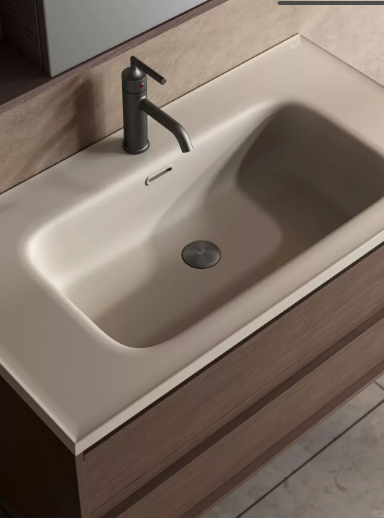
When selecting a bathroom vanity, it's important that its size complements the layout of the room. In smaller bathrooms, opting for an oversized vanity can make the space feel cramped and overcrowded. On the other hand, a vanity that is too small might not offer sufficient storage or counter space, disrupting the overall function of the room. A well-chosen vanity enhances the flow of the bathroom by balancing the available space with its dimensions, allowing for comfortable movement while maximizing storage. Always consider the flow of traffic within the room and how the vanity interacts with other fixtures, ensuring that it doesn’t impede movement.
Your bathroom's size and your family’s usage patterns play a major role in choosing the right vanity size. If your bathroom is used by several people at once, a double vanity might be the best option. Double vanities are ideal for shared bathrooms, providing ample counter space and allowing more than one person to use the space simultaneously. For a single-user bathroom, however, a smaller vanity will suffice. This not only saves space but also allows for easy movement without feeling confined. The key is to select a vanity size that suits your daily habits and accommodates your storage needs without overcrowding the room.
The choice between a single and double vanity depends largely on the bathroom size and how many people will use it. A single vanity is perfect for smaller bathrooms or single-person use, offering enough space for toiletries and a functional countertop. In contrast, a double vanity is better suited for larger bathrooms or households with multiple users. It provides more storage, counter space, and improved functionality for those who need more room to get ready in the mornings. Consider the number of people in your household, the bathroom size, and the frequency of shared use to make the best choice.
When measuring for your bathroom vanity, it’s crucial to take the door swing into account. If you position the vanity too close to the bathroom door, it may obstruct the door from opening fully or interfere with the ease of access. Before settling on a vanity size, measure the swing path of the door and check that the space around the vanity allows for unobstructed door movement. This simple step ensures that the bathroom remains comfortable to use, and nothing gets in the way of the door opening properly.
One of the most common mistakes when measuring for a bathroom vanity is neglecting to account for plumbing alignment. Plumbing systems are usually set in specific locations, and misjudging the distance or positioning of pipes, drains, and electrical outlets can lead to costly adjustments. If your vanity doesn’t align with these utilities, you may have to reroute plumbing or make modifications, which can be time-consuming and expensive. Make sure to measure the distance from your plumbing to the wall and plan for any necessary adjustments in your vanity choice. Proper alignment ensures a smoother installation process and prevents unexpected issues.
Many people rely on standard bathroom vanity sizes when selecting a new vanity, assuming they will fit into any space. However, this can lead to problems, especially in bathrooms with irregular wall dimensions or odd layouts. Standard sizes may not work if your bathroom has alcoves, angled walls, or varying floor levels. Always take precise measurements of your available space before making a final decision on the vanity size. This ensures that the vanity you select will fit correctly and function as expected without requiring adjustments or sacrificing aesthetic appeal.
| Mistake | Impact | How to Avoid It |
|---|---|---|
| Forgetting plumbing alignment | Can lead to plumbing adjustments, costing extra | Always measure distance to plumbing before buying |
| Not considering door swing | Limited movement and accessibility in the bathroom | Measure the swing of the door and ensure there is clearance |
| Using standard sizes for irregular spaces | Will lead to a poorly fitting vanity | Take custom measurements for unusual spaces or layouts |
Taking accurate measurements is essential for selecting the ideal bathroom vanity. Measuring the width, depth, and height, while considering plumbing and clearance needs, helps prevent costly errors. A thorough approach ensures that your new vanity fits perfectly, both in terms of function and design.
When it comes to finding the right bathroom vanity, CACAR HOME offers products designed to meet your specific needs. With their attention to detail and commitment to quality, CACAR HOME ensures that every vanity provides both aesthetic appeal and practicality for any bathroom.
A: To measure a bathroom vanity, you need to determine the width, depth, and height of the available space. Ensure you measure from wall to wall for width and from the back wall to the front edge for depth. Also, account for plumbing, clearance, and any surrounding fixtures.
A: Standard bathroom vanity heights range from 30 to 36 inches. The ideal height depends on your preferences, with taller vanities often preferred for adults, and shorter ones for smaller bathrooms or children.
A: Accurate measurements ensure that the bathroom vanity fits well, allowing easy use and avoiding costly mistakes like installation delays or plumbing issues. It also helps maintain the bathroom’s aesthetic balance.
A: Measure the width from wall to wall, the depth from the back to the front, and the height from the floor to the ceiling. Don't forget to check clearance for doors and drawers, as well as plumbing and electrical fixture positions.
A: Always measure the door swing path, account for plumbing, and avoid assuming standard sizes will fit. Double-check all measurements to ensure a perfect fit, especially if your bathroom has irregular walls or layouts.


