Views: 0 Author: Site Editor Publish Time: 2025-11-26 Origin: Site


A shoe cabinet is an essential piece of furniture for keeping your entryway or closet organized, but it can also become a source of unpleasant odors if not properly maintained. Over time, moisture from damp shoes, sweat, and bacteria can build up inside, creating a musty or sour smell. Fortunately, there are several ways to keep your shoe cabinet odor-free and fresh. By focusing on proper ventilation, using odor absorbers, regular cleaning, and humidity control, you can prevent smells from taking over your storage space. In this article, we’ll explore effective tips and solutions to help you maintain a clean, fresh-smelling shoe cabinet that not only keeps your shoes organized but also contributes to a more pleasant home environment.
Proper ventilation is crucial for keeping your shoe cabinet odor-free. Moisture is one of the primary causes of unpleasant smells in shoe storage areas. When shoes, especially those worn in wet conditions, are stored in an enclosed space without airflow, moisture can accumulate, creating the perfect environment for bacteria, mold, and mildew to thrive. This not only leads to foul odors but can also damage your shoes and the cabinet itself. Adequate ventilation helps prevent moisture buildup by allowing air to circulate, keeping the interior of the cabinet dry and fresh.
Improving airflow in your shoe cabinet is essential to maintain a dry and odor-free environment. Here are a few solutions to ensure proper ventilation:
Cabinets with Built-In Ventilation Holes: Look for shoe cabinets that come with ventilation holes or mesh panels in the design. These allow air to flow freely, reducing moisture buildup and preventing odors from forming.
Leave the Door Slightly Ajar: If your shoe cabinet has doors, consider leaving them slightly open when not in use. This simple solution increases airflow and helps the moisture evaporate from the shoes, keeping the cabinet fresher for longer.
Install a Small Fan: For more effective ventilation, especially in larger or more enclosed cabinets, you can install a small fan inside. A fan helps keep the air circulating, further reducing the chances of moisture accumulation and keeping odors at bay.
If you prefer natural solutions, several effective options can help absorb and neutralize odors in your shoe cabinet:
Baking Soda: One of the most common and affordable natural deodorizers, baking soda works by absorbing moisture and neutralizing unpleasant smells. Simply place an open box or small container of baking soda inside the cabinet, or sprinkle some directly on the soles of your shoes before storing them. It will help keep your cabinet fresh and odor-free.
Activated Charcoal: Activated charcoal is highly effective in absorbing moisture and odors. It works by trapping particles and gases in its porous surface. You can place small bags of activated charcoal or charcoal deodorizing pouches inside your shoe cabinet to combat musty smells and maintain a dry environment.
Essential Oils: If you prefer a pleasant fragrance, essential oils can serve as both deodorizers and air fresheners. Adding a few drops of essential oil (like lavender, eucalyptus, or lemon) to a cotton ball or fabric pouch and placing it inside your shoe cabinet can help keep the air fresh. Just be careful not to overdo it—too much scent can be overwhelming.
For more convenience, there are various commercial odor absorbers designed specifically for controlling odors in confined spaces like shoe cabinets:
Odor-Absorbing Bags: These bags are typically filled with natural materials like activated charcoal, silica gel, or zeolite that absorb moisture and neutralize odors. They are easy to place in the corners or shelves of your shoe cabinet and are highly effective at removing bad smells.
Odor-Eliminating Gels: Odor-absorbing gels are another popular solution. These gels often come in small containers that you can place inside the shoe cabinet. They slowly release deodorizing agents, keeping the air fresh and removing persistent odors.
Odor Sprays: Odor sprays can be used for quick relief, helping to freshen up the air in your shoe cabinet. Look for sprays that are designed to neutralize odors rather than just mask them, ensuring a more long-lasting effect.
Regular cleaning of your shoe cabinet is essential to keep it fresh and odor-free. Dirt, sweat, and moisture from shoes can accumulate, creating an environment for bacteria and mold. Here are some cleaning tips:
Vacuum or Sweep: Start by vacuuming or sweeping the interior to remove dust, dirt, or debris.
Wipe Down with a Damp Cloth: Use a damp cloth with mild soap or all-purpose cleaner to wipe the shelves and surfaces. Avoid soaking wooden surfaces, as excess moisture can damage the material.
Disinfect Regularly: Use a disinfecting wipe or gentle cleaner once a month to kill germs and prevent mold.
Dry Thoroughly: After cleaning, ensure the cabinet is completely dry before returning shoes to prevent moisture buildup.
Wiping down shoes before placing them in the cabinet helps prevent dirt, moisture, and sweat from transferring:
Wipe the Soles: Clean the soles with a cloth or disinfectant wipe to remove dirt and debris.
Check for Dampness: Ensure shoes are completely dry before storing them. Use shoe inserts or dehumidifying pouches to absorb moisture if needed.
Clean the Inside of Shoes: Wipe the inside of shoes with a damp cloth to remove sweat and dirt, which can contribute to odors.
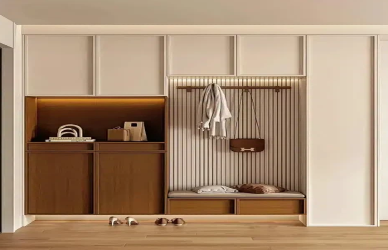
Ensuring your shoes are completely dry before placing them in the cabinet is crucial for proper storage. Moisture can lead to mold and mildew, which cause odors and damage to both your shoes and the cabinet. Always check that shoes are fully dry, especially if worn in wet conditions. If they are damp, let them air dry, or use shoe dryers or newspapers to speed up the process. For boots, using a boot tree helps maintain their shape and promotes airflow. Storing wet shoes in an enclosed cabinet can cause bacterial growth and odors. Always ensure shoes are dry to keep the cabinet fresh and avoid long-term damage.
To maximize airflow and keep your shoe cabinet organized, use shelves or shoe inserts. These prevent shoes from touching the cabinet walls, which can restrict airflow and encourage moisture buildup.
Shoe Shelves: Adjustable or tiered shelves allow air to circulate around the shoes, reducing the risk of odors and mold growth. Organize shoes by type for easy access without disrupting order.
Shoe Inserts or Dividers: Use inserts or dividers to separate shoes and maintain their shape, improving airflow. For high-heeled shoes or boots, consider shoe trees or boot inserts to preserve their form and promote proper drying.
Maintaining low humidity in your shoe cabinet is essential to prevent odor-causing bacteria, mold, and mildew. Excess moisture creates a breeding ground for these issues. To manage humidity, use dehumidifiers or silica gel packs:
Dehumidifiers: Small, portable dehumidifiers absorb excess moisture, reducing mold and mildew growth. They're particularly useful in humid climates or damp environments like basements.
Silica Gel Packs: Silica gel packs are an affordable option for moisture control. They absorb moisture, keeping the air dry and fresh, and can be placed in corners or compartments of the shoe cabinet.
Both options effectively reduce moisture and help maintain a fresh-smelling, well-preserved cabinet.
To ensure your shoe cabinet remains at optimal conditions, use a hygrometer to monitor humidity levels. A hygrometer helps track moisture levels, ensuring they stay between 40-60%, the ideal range for storing shoes.
Using a Hygrometer: Regularly check the humidity with a hygrometer inside your cabinet. If levels rise too high, take action with a dehumidifier or silica gel packs.
Adjusting for Humid Climates: In humid regions, multiple dehumidifiers or silica packs may be needed, along with more frequent humidity checks.
A1: It’s recommended to clean your shoe cabinet at least once a month, wiping down the interior and removing any dust or dirt. Shoes should also be wiped clean before placing them back to avoid transferring odor-causing particles.
A2: Yes, using a few drops of essential oils like lavender or eucalyptus on cotton balls or fabric pouches can help neutralize odors naturally, leaving your shoe cabinet smelling fresh. However, make sure not to overdo it, as too much fragrance can be overwhelming.
A3: A dehumidifier is especially useful in humid climates or for shoe cabinets located in areas with high moisture levels. It helps keep the environment dry, preventing mold and mildew growth that could cause unpleasant smells.
A4: Yes, a shoe cabinet with ventilation holes allows air to circulate, reducing moisture buildup and preventing the growth of odor-causing bacteria and mold. It’s an effective way to maintain a fresh-smelling cabinet.
Maintaining a clean and odor-free shoe cabinet is essential for both the longevity of your shoes and the overall freshness of your home. Regular cleaning of the interior, proper shoe storage, and wiping down shoes before placing them inside are simple yet effective steps to keep your cabinet in top condition. By ensuring proper ventilation, using odor absorbers, and monitoring humidity, you can prevent moisture buildup and mold growth, which are common culprits of unpleasant odors. Additionally, using shelves or shoe inserts can promote better airflow and organization. With these straightforward maintenance practices, you can enjoy a well-organized, fresh-smelling shoe cabinet that keeps your shoes in great condition for years to come.


